
What is knitted mattress fabric?
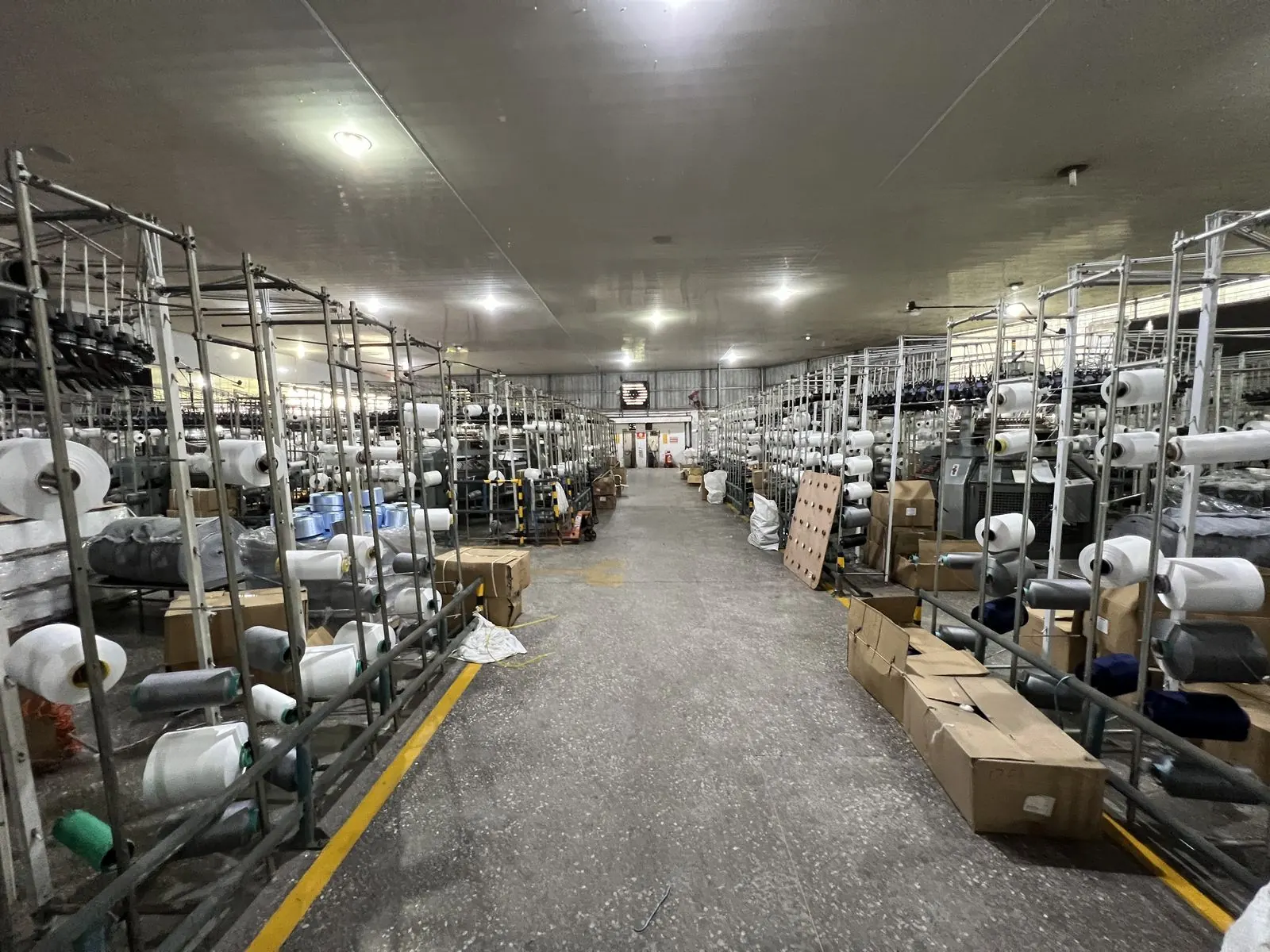
Knitted fabric is the soft, stretchy cover you see on most foam and hybrid mattresses today. Here is how it is made, where it works best, and what to put in your specification when you buy it.
How it is made
Knitted mattress fabric is made on circular knitting machines. Instead of crossing two sets of threads at right angles, as a loom does for woven fabric, the machine pulls yarn into rows of interlocking loops. Loops can stretch and recover, which is why a knit feels soft and gives under the hand.
Most mattress knits are double-jersey jacquard. The machine knits two layers of loops at the same time and joins them, and an electronic jacquard selects which needles knit on each layer. That is how the pattern is built into the fabric itself, often with a raised, quilted-looking surface, rather than printed on top.
Why mattress makers choose knits
- Soft, stretchy surface. A knit follows the foam or fibre layers under it instead of fighting them, which suits memory foam, latex and hybrid tops.
- Quilts well. The fabric takes quilting stitches cleanly and gives a full, rounded look on the panel.
- Breathable structure. The loop structure is more open than a tight woven ticking.
- Design freedom. Patterns are knitted in, so colour, texture and logo can all be part of the fabric.
Yarns and weights
Polyester is the workhorse yarn: strong, stable and cost-effective. For softer or more premium lines, polyester is blended with viscose, Tencel™ lyocell or bamboo viscose, and spandex is added where extra stretch is wanted. Cooling yarns and metallic or multi-colour yarns are used for special ranges.
Weight is given in grams per square metre (g/m²). At Evonowa we knit from 180 to 700 g/m². A lighter knit is usual on a heavily quilted top; a heavier, thicker knit gives a fuller, more cushioned surface on its own.
Finishing
After knitting, the fabric is heat set. Setting fixes the width, the weight and the shrinkage, so the fabric behaves the same on your cutting table as it did in the sample. Special finishes, such as a soft-touch or cooling finish, are applied at this stage.
What to put in your specification
- Design number, or a photo or sample of the design you want matched
- Colour of the ground and of the pattern
- Weight in g/m² and the yarn mix
- Width you cut from, and roll length
- Any finish you need, and how the rolls should be packed
If you are not sure about weight or yarn, tell us what the mattress is (type, height, price level, market) and we will suggest a starting point and send A4 swatches.